Survival Gear for Beginners: Where to Start in 2026
Building your first survival kit does not require military experience or a large budget. Start with the basics that address the five primary outdoor threats — exposure, dehydration, injury, getting lost, and inability to signal for help — and expand from there.
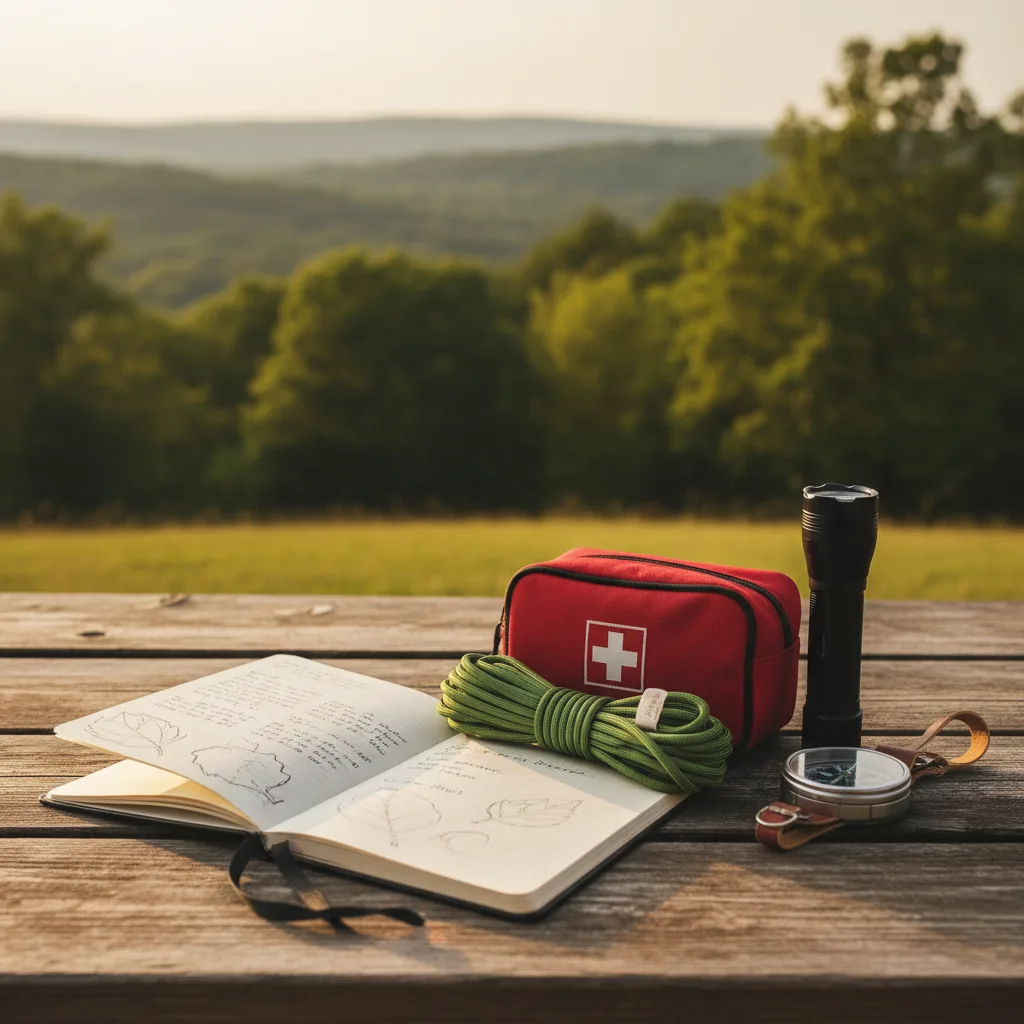
Why Every Outdoors Person Needs Basic Survival Gear
Search-and-rescue teams across North America respond to over 3,000 calls per year for lost, injured, or stranded hikers and campers. The majority are day hikers who did not plan to spend the night outdoors. They left with a water bottle and a phone — and came back with a helicopter ride and a hospital bill.
Basic survival gear weighs almost nothing, costs less than a restaurant dinner, and turns a life-threatening emergency into an uncomfortable but survivable night. The question is not if you will ever need it — it is if you will have it when you do.
Watch: Justin Outdoors's take on the Survival Gear for Beginners

The 5 Survival Priorities (In Order)
Every survival situation follows the same hierarchy of needs. Address them in this order:
1. Shelter & Warmth (Exposure kills fastest)
Hypothermia can set in within 30 minutes in wet, windy conditions — even at 50 degrees Fahrenheit. Your first priority is always stopping heat loss.
- Emergency space blanket — reflects 90% of body heat, weighs 2oz, costs $3. Carry one always.
- Paracord — 10-12ft of 550lb rated paracord from top bracelets lets you rig a tarp, build a debris shelter frame, or lash branches for a windbreak.
- Fire starter — warmth, water purification, signaling, and morale. A ferro rod works when wet; matches and lighters can fail.
2. Water (Dehydration kills within 3 days)
You can survive roughly 3 days without water, but cognitive function degrades after just 24 hours — making it harder to make good survival decisions when you need them most.
- Water filter straw — LifeStraw or Sawyer Mini, $15-20. Filters bacteria and protozoa from streams and puddles.
- Metal container — a single-wall steel water bottle lets you boil water directly over a fire for purification.
3. Signaling (Being found is faster than walking out)
Three whistle blasts is the universal distress signal. A whistle carries 5-10x further than the human voice and requires no batteries.
- Emergency whistle — built into every paracord survival bracelet we review.
- Signal mirror — visible for miles in sunlight. Weighs almost nothing.
- LED light or phone flashlight — for nighttime signaling.
4. Navigation (Know which way is out)
- Compass — a baseplate compass ($10-15) is reliable and requires no batteries. Bracelet compasses work as emergency backups.
- Map of the area — printed or downloaded for offline use. Your phone will die.
5. First Aid (Handle injuries until help arrives)
- Compact first-aid kit — adhesive bandages, gauze, antiseptic wipes, pain reliever, tape. $10-15 at any outdoor retailer.
- Knowledge — take a basic wilderness first aid course. The best kit in the world is useless if you do not know how to use it.
The Beginner's Starter Kit ($50-75)
This kit covers all five survival priorities and fits in a jacket pocket or daypack side pouch:
- Paracord survival bracelet — cord, fire starter, whistle, compass ($5-13 per bracelet)
- Fixed-blade knife — batoning, carving, cutting. Mora Companion is the gold standard at $15.
- Water filter straw — Sawyer Mini or LifeStraw ($15-20)
- Emergency space blanket — 2oz, reflects body heat ($3)
- Compact first-aid kit — pre-assembled pocket kit ($10-15)
- Headlamp — hands-free light for after dark ($10-15)
Building Skills Before You Need Them
Owning survival gear is only half the equation — knowing how to use it under stress is what actually keeps you alive. Every piece of equipment in your kit should be something you have practiced with at least three times in controlled conditions before trusting it in the field.
Fire Starting Practice
The ferro rod in your paracord bracelet requires a specific technique: hold the rod steady against your tinder bundle, press the scraper firmly at a 45-degree angle, and push the rod backward while keeping the scraper stationary. Most beginners make the mistake of pulling the scraper forward, which scatters their tinder. Practice this 20-30 times in your backyard using cotton balls coated in petroleum jelly — the easiest tinder to ignite. Once you can reliably start a fire with prepared tinder, practice with natural materials: dry grass, birch bark, and fine wood shavings.
Compass Navigation
A bracelet compass tells you which direction is north, but that information is useless if you do not know how to act on it. Before your next trip, practice this sequence: at the trailhead, note which compass direction the trail heads. Every 15 minutes, check your heading. If you need to return, reverse your heading (north becomes south, east becomes west). This basic out-and-back navigation has saved countless lost hikers.
Whistle Signaling
Three short blasts is the universal distress signal. Practice blowing your bracelet whistle so you know how much breath it requires and how far the sound carries. Have a friend walk away and signal when they can no longer hear it. Most bracelet whistles are audible from 200-400 yards depending on wind and terrain — much further than your voice, which carries only 100-200 yards when shouting.
Cordage Skills
Learn three knots before your next outdoor trip — our Atomic Bear review covers knot techniques for them all: the bowline (creates a non-slipping loop for anchoring), the taut-line hitch (adjustable tension for shelter rigging), and the clove hitch (quick attachment to trees or poles). With these three knots and 12 feet of paracord, you can build a basic shelter, hang food from a bear line, and secure gear to your pack.
Seasonal Gear Adjustments
A one-size-fits-all survival kit does not exist. The threats you face change with the seasons, and your kit should adapt accordingly.
Spring and Summer
- Add: Insect repellent, sunscreen, extra water purification (higher dehydration risk)
- Swap: Space blanket for a lighter emergency poncho (heat retention less critical, rain protection more critical)
- Consider: Antihistamine tablets for allergic reactions to stings and bites
Fall and Winter
- Add: Hand warmers (2-pack), extra fire-starting tinder in a waterproof bag, lip balm to prevent cracked lips in cold wind
- Swap: Lightweight poncho for an insulated emergency bivvy that retains more body heat
- Consider: A second paracord bracelet — cold makes nylon slightly more brittle, and having a backup means you always have functional cord
First Purchases: What to Buy and in What Order
Budget matters when you are starting from zero. Buying everything at once leads to decision fatigue and overspending on items you do not need yet. Instead, build your kit in three rounds spread across your first few months of outdoor activity. Each round adds capability without overwhelming your wallet or your pack.
Round 1: The Non-Negotiables (Week 1)
These two items cover fire, cordage, signaling, and basic navigation — the four capabilities that prevent the most common outdoor fatalities. A paracord survival bracelet is the single most weight-efficient piece of survival gear available because it combines cord, fire starter, whistle, and compass into something you wear rather than carry. Pair it with an emergency space blanket that weighs 2 oz and reflects up to 90% of your body heat. Together, these two items weigh less than a granola bar and address hypothermia, the leading cause of outdoor death in North America.
Round 2: Water and First Aid (Month 1)
Once you have fire and shelter covered, add water purification and injury management. A filter straw removes bacteria and protozoa from natural water sources, turning any creek or puddle into drinking water. A compact first-aid kit handles cuts, blisters, sprains, and allergic reactions — the injuries that turn a good hike into a miserable one. Skip the $40 deluxe kits. A pocket-sized kit with adhesive bandages, gauze, antiseptic wipes, pain reliever, and medical tape covers 95% of trail injuries.
Round 3: Navigation and Light (Month 2-3)
A baseplate compass and a headlamp round out your core kit. The compass is your backup when your phone dies — and phones always die at the worst moment. A headlamp frees both hands for camp tasks, night hiking, and emergency shelter building after dark. Choose one with a red-light mode to preserve night vision. By the end of round three, you have a complete starter kit that fits in a jacket pocket and weighs under a pound.
Budget Allocation That Works
Spread your spending across these three rounds and the total stays under seventy-five dollars. Most beginners who buy everything in a single shopping session end up with gear they never learn to use — it sits in a closet gathering dust. Buying in rounds forces you to practice with each item before adding the next. That practice is worth more than any piece of equipment. Gear without skill is dead weight.
Common Beginner Mistakes
- Buying gear they never learn to use. A fire starter you have never practiced with is a paperweight. A compass without map-reading skills is a decoration. Practice every tool at home before you trust it in the field.
- Over-packing. A 30-pound survival kit stays in the closet. A 12-ounce kit lives in your pack. Carry less, carry always.
- Relying on a phone for everything. Phones die, lose signal, and break when dropped on rocks. Analog backups (compass, whistle, fire starter) work in every condition.
- Buying the most expensive option first. Start with budget gear, learn what you actually need, then upgrade specific items. A budget-priced aZengear survival bracelet review teaches you the same skills as a mid-range NexfinityOne. Our best standard bracelets covers all the mid-range options.
- Treating survival gear as a one-time purchase. Check your kit every season. Replace expired items, recharge batteries, and update your skills.
Recommended Starter Bracelets
Best for Beginners: aZengear Paracord Bracelet 2-Pack
The most affordable way to start. Waterproof cord, fits smaller wrists (7"+), and includes a mini saw blade. Low commitment, high utility.
Best for Families: Smithok Paracord Bracelet 4-Pack
Four bracelets in four colors for the whole family. Full tool suite including fire starter at under three dollars per bracelet.
Best for Serious Beginners: Atomic Bear 2-Pack
12ft of cord and the most reliable fire starter we tested. If you plan to actually practice and use your bracelet, this is the one to get.
Frequently Asked Questions
What is the most important piece of survival gear for beginners?
A reliable way to signal for help and start a fire. A paracord survival bracelet covers both — the whistle handles signaling, the ferro rod handles fire starting — and it is always on your wrist. After that, add a quality knife and a water purification method.
How much should a beginner spend on survival gear?
You can build a functional starter kit for $50-75. A paracord bracelet ($9-15), a fixed-blade knife ($20-30), a water filter straw ($15-20), and a compact first-aid kit ($10-15) cover the essential bases without overspending.
Do I need survival gear if I only do day hikes?
Yes. Day hikes account for the majority of search-and-rescue calls. Getting lost, injured, or caught in weather changes can turn a 3-hour hike into an overnight survival situation. At minimum, carry a whistle, fire starter, and emergency blanket.
What is the difference between survival gear and camping gear?
Camping gear is designed for comfort in planned outdoor stays — tents, sleeping bags, coolers. Survival gear is designed for unplanned emergencies — fire starters, signaling tools, water purification, emergency shelters. The best outdoor loadout includes both.
Is a paracord bracelet really useful or just a gimmick?
It is practical and field-tested when it contains real 550lb paracord. 12 feet of cord can build a shelter, create a splint, hang food, or make fishing line from inner strands. The built-in fire starter and whistle add real emergency tools. It is not a replacement for a full survival kit, but it is the most portable emergency backup you can carry.
What survival skills should beginners learn first?
Fire starting, basic navigation (using a compass and landmarks), water purification, shelter building, and signaling for rescue. These five skills cover the primary causes of outdoor fatalities: hypothermia, dehydration, and exposure. Practice each skill before you need it.
How do I practice survival skills at home?
Start with backyard drills. Practice striking your bracelet ferro rod 20-30 times until you can reliably ignite cotton ball tinder. Set up a tarp shelter using only paracord and knots. Navigate a short route using your bracelet compass. These low-stakes practice sessions build the muscle memory you need in real emergencies.
Should I carry survival gear in my car?
Absolutely. A car-specific kit should include a paracord bracelet, emergency space blanket, water bottle, flashlight, first-aid supplies, jumper cables, and a phone charger. Car breakdowns in remote areas account for many survival situations each year. The <a href="/reviews/hr8-paracord-bracelet/">HR8</a> 3-pack is ideal at under ten dollars — keep one on your wrist, one in your glove box, and one in your day pack.
Start Building Your Kit Today
The best time to prepare is before you need it. A paracord survival bracelet is the simplest first step — it goes on your wrist and stays there, ready for anything.
Ready to Buy? Start Here
Based on this guide, our #1 recommendation:
aZengear Paracord Bracelet Budget-conscious buyers who want a reliable 5-in-1 bracelet Read Full Review →Can’t Decide? Compare Side by Side
Paracord Reviews & Price Tracking
We track prices daily on every product we review. Updates only when something changes.
Only when something changes. Unsubscribe anytime.