Paracord Bracelets for Everyday Carry (EDC): Complete 2026 Guide
A paracord survival bracelet sits on your wrist, weighs under two ounces, and provides 8 to 12 feet of 550lb-rated cordage plus tools that cover gaps your knife and flashlight cannot. It requires zero pocket space and stays on your person at all times.
We have tested every major paracord bracelet on the market through months of daily wear — commuting, office work, errands, gym sessions, and travel. In this guide, we break down how paracord bracelets fit into an EDC loadout, which specific tools matter for everyday scenarios, and which bracelets earn a permanent spot on your wrist.
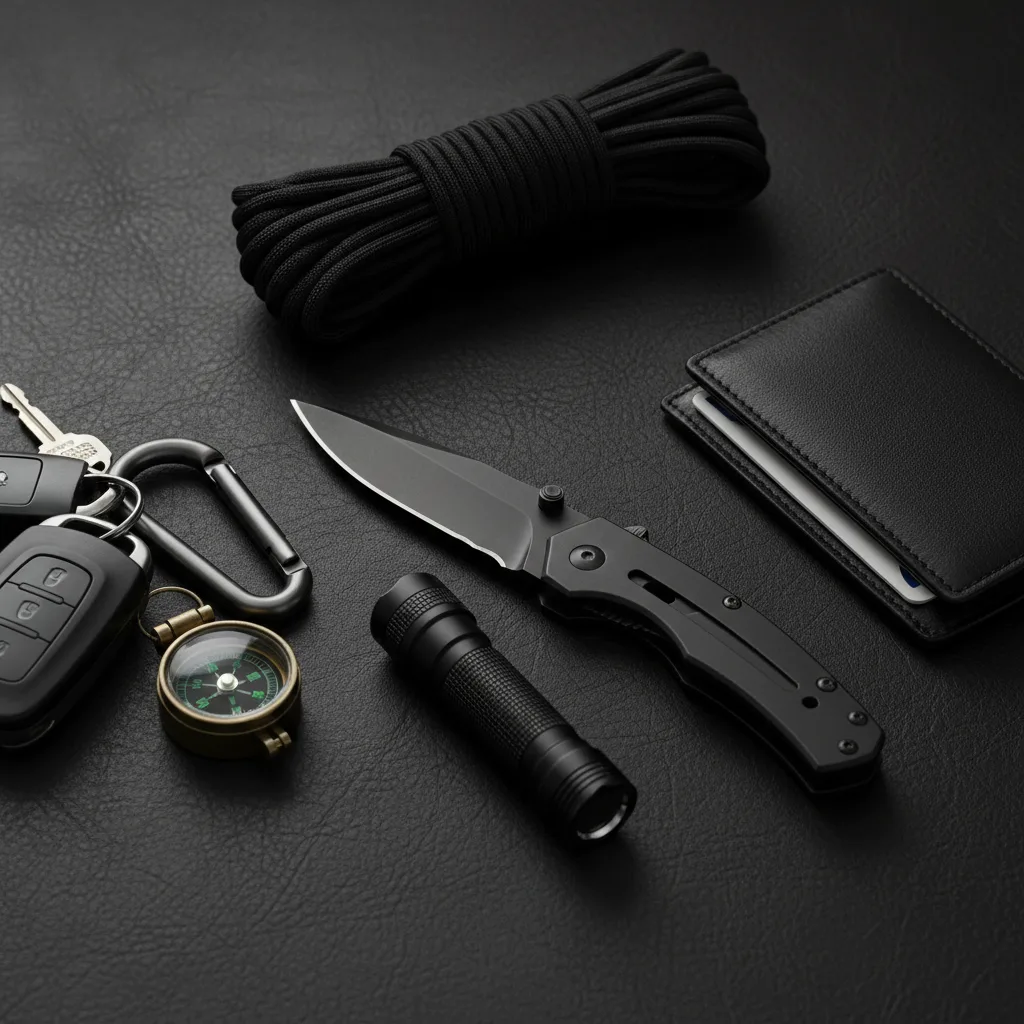
Why Paracord Belongs in Your EDC Rotation
Everyday carry is about having the right tools in the most accessible format. A paracord bracelet delivers cordage — the one material hardest to improvise — without pocket space, belt pouches, or conscious decisions. See our best standard survival bracelets for the top EDC-worthy picks.
Most EDC enthusiasts already carry a knife, flashlight, pen, and wallet. Cordage is the missing link. When you need to lash something down, secure a makeshift repair, or create an improvised tool, a 4-inch folding knife cannot help you. But 10 feet of 550lb-rated paracord can solve dozens of problems that no other EDC item addresses. The ELK at under 1 oz is the top pick for daily wear.
Real-World EDC Uses for Paracord
Paracord bracelets are not just survival theater — they solve practical everyday problems that most people encounter weekly. Here are the uses that EDC carriers report most often:
1. Package and Box Opening
Pull a single inner strand from your bracelet and use it like a garrote on taped boxes. Our Atomic Bear vs ELK comparison covers which bracelet is easier to unravel for quick tasks. Wrap the strand around the tape seam, pull both ends sharply, and the strand saws through packing tape cleanly. This is faster than hunting for scissors and works on any tape thickness. One inner strand handles dozens of packages before wearing out.
2. Quick Repairs and Lashing
Broken bag strap? Secure it with a 2-foot section of paracord and a square knot. Drawer pull snapped off? Thread paracord through the screw hole as a temporary replacement. Trunk lid won't close over a long box? Lash it down with a trucker's hitch. These mundane fixes happen more often than survival emergencies, and paracord handles all of them.
3. Key Lanyard and Gear Tether
A 12-inch section of inner strand makes a lightweight lanyard for keys, USB drives, or ID badges. The 550lb outer cord works as a tether for tools, water bottles, or anything you need to attach to a belt loop or bag clip. Two simple overhand knots and you have a functional tether in under 30 seconds.
4. Emergency First Aid
Paracord can improvise a finger splint (lash a straight object to the injured finger), a sling (loop over neck to support an injured arm), or a tourniquet in a severe bleeding emergency. These are not primary first-aid tools, but when the situation demands immediate action and you have nothing else, 550lb cord on your wrist can save a digit or a life.
5. Improvised Phone Stand
The NVioAsport 20-in-1 includes a built-in phone stand in its buckle assembly — a feature that sounds gimmicky until you realize how often you need to prop a phone up for a video call at a coffee shop or a recipe in the kitchen. For bracelets without this feature, a quick tripod from three paracord loops propped against each other works in a pinch.
6. Zipper Pull and Drawstring Replacement
Broken zipper pulls on bags and jackets are a constant annoyance. Thread a 3-inch loop of inner strand through the zipper slider and you have a functional pull that lasts months. Similarly, lost hoodie drawstrings and gym bag cords are easily replaced with paracord — the inner strands are the perfect diameter for most eyelets.
7. Securing Cargo
Tying down groceries in a trunk, securing a bike to a temporary anchor, lashing camping gear to a roof rack — paracord provides 550lb of tensile strength in a lightweight, easily tied format. Carry two bracelets (20+ feet) for cargo jobs that require longer runs.
Best Paracord Bracelets for EDC
Not every survival bracelet works as an everyday carry piece. The best EDC bracelets balance tool utility, comfort during extended wear, and a profile that does not look out of place in non-outdoor settings.
Best EDC Multi-Tool: NVioAsport 20-in-1
The NVioAsport 20-in-1 survival bracelet packs more EDC-relevant tools than any other bracelet on the market. The hex wrenches, bottle opener, and phone stand are tools you will actually use in everyday life — not just wilderness survival. The built-in LED covers those moments when you are searching under a car seat or navigating a dark parking garage. As a budget-friendly 2-pack with 10 feet of cord each, the tool-per-dollar value is unmatched.
The downside is size. The multi-tool buckle assembly is noticeably bulkier than a standard bracelet, making it less ideal for office environments or formal settings. If you work in a casual or outdoor-adjacent environment, the NVioAsport is an easy pick. If you wear button-down shirts, consider the ELK instead.
Best EDC Cord Quality: Atomic Bear
The Atomic Bear paracord bracelet delivers 12 feet of genuine military-grade 550lb paracord per bracelet — the most cordage of any model we tested. For EDC users who prioritize having maximum usable cord over extra gadgets, the Atomic Bear is the purist's choice. The 7-strand inner construction means each strand can be pulled independently for fine work like sewing, fishing, or improvised stitching.
The Atomic Bear fits wrists 8 inches and larger, which limits it to medium and large frames. If it fits your wrist, the combination of cord quantity, cord quality, and reliable fire starter makes it the most utilitarian EDC bracelet available. The budget-friendly 2-pack means you can keep one on your wrist and one in your go-bag.
Most Discreet for Office EDC: ELK
The ELK paracord bracelet weighs under 1 ounce per bracelet and features a clean, minimal design that passes easily in business casual and office environments. The one-handed clinch adjustment system makes it quick to put on and remove — no fumbling with side-release buckles during meetings. With 3,200+ reviews and a 4.4-star average, it is the highest-rated bracelet in our catalog for a reason.
The compromise is cord length. At 8 feet per bracelet, the ELK provides less usable paracord than the Atomic Bear (12ft) or NVioAsport (10ft). For EDC use where you rarely need more than a few feet at a time, that exchange is worth it. Wear it all day, forget it is there, and know you have emergency cord and tools whenever you need them.
EDC Paracord Bracelet Selection Criteria
Choosing an EDC bracelet is different from choosing a camping or hiking bracelet. Here is what matters most for everyday carry:
Comfort Over Extended Wear
An EDC bracelet stays on your wrist 12 to 16 hours per day. Bulky buckles dig into your wrist during typing. Heavy bracelets cause fatigue during repetitive tasks. The ELK's sub-1-oz weight and clinch closure set the benchmark for all-day comfort. If you cannot forget the bracelet is there, you will stop wearing it within a week — and gear that stays in a drawer is useless.
Tool Relevance
A compass and fire starter are valuable for outdoor emergencies, but they see minimal use in an urban EDC context. Hex wrenches, bottle openers, LED lights, and phone stands see daily use. Prioritize tools you will actually reach for over wilderness survival features you may never need.
Visual Profile
A bright orange tactical bracelet with a 2-inch buckle draws attention in professional settings. A slim black woven band blends in anywhere. If you carry daily across different contexts — office, gym, dinner, weekend errands — choose a bracelet that does not require explanation.
Building a Complete EDC Loadout with Paracord
A paracord bracelet complements — it does not replace — the core EDC items. Here is how it fits into a balanced everyday carry loadout:
The Minimalist EDC
Wallet, keys, phone, paracord bracelet. For people who hate carrying extra gear, the bracelet adds emergency cordage, a compass, whistle, and fire starter without requiring a single extra pocket or pouch. The ELK is the obvious choice here — lightest, most discreet, and comfortable enough to wear 24/7.
The Standard EDC
Wallet, keys, phone, folding knife, flashlight, paracord bracelet. The bracelet fills the cordage gap that a knife and light cannot cover. The Atomic Bear works well here since the full-featured EDC kit handles most needs and the bracelet provides maximum backup cord length.
The Maximalist EDC
Full pockets plus a bag or organizer pouch. If you already carry a multi-tool, the NVioAsport's hex wrenches and bottle opener provide redundancy. In this loadout, the bracelet is insurance — the backup that is physically attached to your body when your bag is across the room, in the car, or checked on a plane.
Frequently Asked Questions
What makes a paracord bracelet good for EDC?
The best EDC paracord bracelets are low-profile enough for office wear, comfortable for 12+ hours on the wrist, and pack practical tools. The <a href="/reviews/elk-paracord-bracelet/">ELK</a> weighs under 1 oz and looks clean enough for business casual, while the <a href="/reviews/nvioasport-20-in-1-paracord-bracelet/">NVioAsport</a> 20-in-1 trades discretion for maximum utility with hex wrenches, a bottle opener, and an LED.
Can I wear a paracord bracelet to the office?
Yes. The ELK and <a href="/reviews/azengear-paracord-bracelet/">aZengear</a> are slim and understated enough for office environments — they look like casual woven bracelets rather than tactical gear. Avoid the <a href="/reviews/nexfinityone-led-paracord-bracelet/">NexfinityOne</a> and NVioAsport for office wear since their larger multi-tool buckles draw more attention.
How much paracord do I actually need for EDC use?
For everyday situations — package opening, quick lashing, emergency repairs — 8 to 10 feet is plenty. The ELK provides 8ft and the NVioAsport provides 10ft. You are unlikely to need a full 12ft ridgeline in an urban EDC context, so cord length matters less than tool selection and comfort.
What EDC tasks can I actually do with a paracord bracelet?
Common real-world EDC uses include: improvised package opener (pull an inner strand and saw through tape), emergency bootlace or drawstring replacement, securing items to a bag or belt loop, improvised key lanyard, binding a splint for a sprained finger, lashing a phone to a car vent as a mount, and tying down a trunk lid over oversized cargo.
Is a paracord bracelet better than carrying loose cordage in my EDC kit?
For most people, yes. A bracelet is always on your body — you cannot forget it, lose it in your bag, or leave it at home. Loose cordage in a pouch gives you more length but adds weight, takes pocket space, and gets tangled. The bracelet trades cord quantity for guaranteed availability.
Do paracord bracelets set off metal detectors?
The buckle components — compass housing, fire starter ferro rod, scraper — contain small amounts of metal that can trigger sensitive detectors. In practice, building security and airport scanners rarely flag them, but if you pass through a detector daily, the ELK clinch-closure model has the least metal of any bracelet we tested.
Which paracord bracelet has the most EDC tools?
The NVioAsport 20-in-1 leads with hex wrenches, bottle opener, phone stand, LED light, thermometer, compass, whistle, fire starter, and a bonus multi-tool card. At a budget-friendly 2-pack price, it is the most tool-dense wrist-worn EDC item on the market.
Add Paracord to Your Daily Carry
Cordage is the most commonly missing element in everyday carry loadouts. A knife cuts, a light illuminates, a pen writes — but nothing in your pockets provides the binding, lashing, and repair capability of 10 feet of 550lb-rated paracord. A bracelet puts that capability on your wrist without adding weight, bulk, or another thing to remember.
For maximum EDC tools, we recommend the NVioAsport 20-in-1 multi-tool bracelet — it is the best EDC bracelet for utility and outperforms every competitor on tool count per dollar. For cord quality purists, the Atomic Bear survival bracelet provides 12 feet of genuine military-grade paracord. And for office-friendly discretion, the ELK minimalist bracelet is the lightest, most refined bracelet on the market.
Ready to Buy? Start Here
Based on this guide, our #1 recommendation:
ELK Paracord Bracelet Ultralight enthusiasts and hikers who count every ounce Read Full Review →Can’t Decide? Compare Side by Side
Paracord Reviews & Price Tracking
We track prices daily on every product we review. Updates only when something changes.
Only when something changes. Unsubscribe anytime.